
Data on insolvency and restructuring from the first quarter of 2020 compared to the same period last year show a stabilisation in the number of restructuring proceedings and a slight increase in the number of insolvency proceedings, both among companies and consumers.

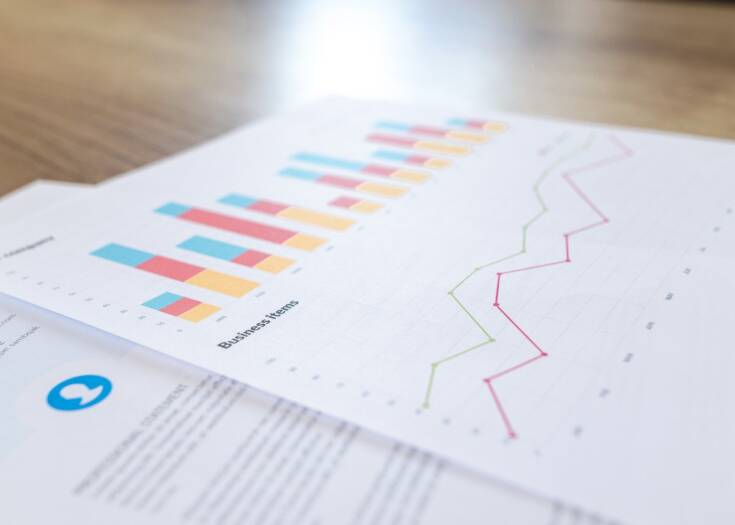
Bankruptcies and Restructuring – summary of the first quarter of 2020.
2 min.
22 April 2020
Bankruptcies and Restructuring – summary of the first quarter of 2020.
2 min.
22 April 2020
Data on insolvency and restructuring from the first quarter of 2020 compared to the same period last year show a stabilisation in the number of restructuring proceedings and a slight increase in the number of insolvency proceedings, both among companies and consumers.
The number of restructurings remained exactly the same in both 2019 and 2020, with 124 new proceedings opened. The number of company bankruptcies increased, with 188 companies declaring bankruptcy, 15 more than in the first quarter of 2019. The number of consumer bankruptcies increased the most, with 162 more than in the comparable period last year (Source: Central Economic Information Centre).
However, it should be added that these data are not relevant to the actual insolvency rates among both companies and, above all, consumers. This is due to the mode of operation of the courts resulting from the state of epidemic threat (since 14 March) and then the state of epidemic (since 20 March). The courts only ruled on urgent cases, so the number of decisions in March is certainly lower than the number of applications filed that could potentially result in bankruptcy or restructuring.
Furthermore, these data do not yet reflect the impact of the Covid-19 pandemic on the economic situation in Poland. In view of this, it is to be expected that the number of bankruptcies and restructurings will increase in the coming months. According to Coface for trade, in 2020 ‘the Polish economy will contract by 3.5 per cent, and the number of bankruptcies and restructurings of companies will increase to a level similar to that recorded during the last major crisis in 2009, when the number of insolvencies increased by 68 per cent.’ (Source: Coface for trade).
In addition, the increase in the number of consumer bankruptcies will be influenced by the change in bankruptcy regulations, which came into force on 24 March 2020.
Related entries
Last opportunity for restructuring under the old regulations!
The amendment to the Restructuring Law, signed by the President of the Republic of Poland on 5 August 2025, will enter into force 14 days after its publication in the Journal of Laws. Therefore, we are approaching the end of the transition period during which it is possible to initiate restructuring proceedings under the existing rules.
1 min.
08 October 2025


Companies Are Increasingly Applying for Restructuring. What Do the Data from Q1–Q3 2025 Show?
In the first three quarters of 2025, a clear increase in interest in restructuring proceedings can be observed. This results not only from challenging market conditions, but also from growing awareness among entrepreneurs of the legal instruments available to them and their effectiveness.
6 min.
19 December 2025


Arrangement approval proceedings – how can an entrepreneur quickly regain control over their finances?
The arrangement approval procedure is one of the most important restructuring tools, allowing entrepreneurs in financial difficulties to conclude favourable arrangements with their creditors.
6 min.
12 January 2025


What about COVID-related restructuring?
On 1 December 2021, an amendment came into force which, with certain changes, permanently implemented the solutions offered by the simplified restructuring procedure.
2 min.
03 February 2022


Accelerated composition proceedings – a lifeline for companies in financial crisis?
For many entrepreneurs, a financial crisis is a critical moment that requires decisive action. Accelerated composition proceedings (PPU) are a tool that allows companies to quickly reach an agreement with creditors, giving them a chance to regain financial stability.
5 min.
21 January 2025

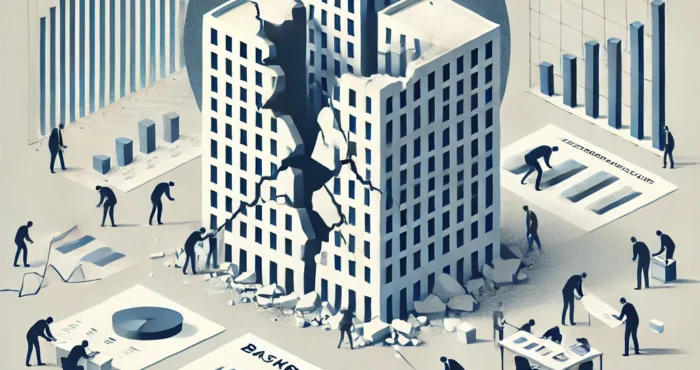
Which industries undergo restructuring most frequently in Poland?
Restructuring is a much-needed step for companies facing financial difficulties and looking for ways to improve their situation. In Poland, 4,130 companies began restructuring proceedings in 2023, an increase of 87.7% compared to 2022.
5 min.
30 March 2025


Amendments to the Bankruptcy Law of 24 March 2020 – selected issues
Over a month ago, on 24 March 2020, an amendment to the bankruptcy law came into force, namely the Act of 30 August 2019 amending the Bankruptcy Law and certain other acts.
4 min.
24 March 2020



Bad Debt Relief in Restructuring Proceedings, with Particular Focus on the Specific Nature of Sanation Proceedings – How Should It Be Properly Understood?
Bad debt relief in VAT has for years raised significant doubts in the practice of restructuring proceedings, in particular sanation proceedings.
7 min.
24 March 2026


